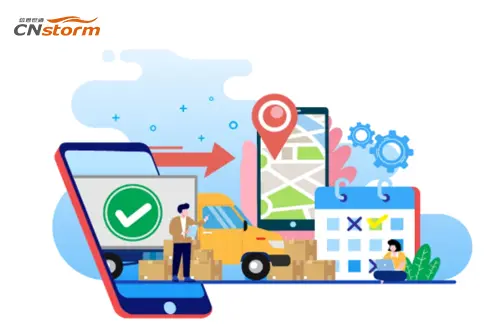
Dropshipping will remain popular in 2026 because it provides entrepreneurs with a low-risk, scalable entry point into e-commerce, eliminating inventory costs. Meanwhile, the continuous development of dropshipping logistics services and technological integration makes it more efficient than ever before. The global dropshipping market is projected to exceed $1.253 trillion by 2030, making it a preferred choice for both new entrepreneurs and established e-commerce sellers seeking flexibility and global reach.
While the digital commerce landscape has evolved, the fundamental elements that make dropshipping more attractive remain unchanged. In 2024, the global dropshipping market exceeded $365 billion, and experts predict it will grow at a compound annual growth rate (CAGR) of 22% between 2025 and 2030, ultimately surpassing $1.253 trillion by 2030 (Grand View Research). This explosive growth is not accidental, but driven by fundamental shifts in consumer behavior and retail infrastructure.
As consumers increasingly favor convenient online shopping, the dropshipping model perfectly aligns with modern shopping preferences. Third-party dropshipping service providers have evolved from simple suppliers into sophisticated partners, offering one-stop dropshipping services from inventory management to global logistics and delivery. This development allows entrepreneurs to start businesses without the traditional barriers of warehousing, logistics, or upfront inventory investment.
From the perspective of professional dropshipping service providers, the following factors further reinforce this trend:
Increasing reliance on global dropshipping networks to efficiently fulfill cross-border orders
The rise of third-party dropshipping service providers who handle sourcing, warehousing, and logistics and delivery
Continuously improving dropshipping logistics services for faster and more reliable delivery.
While social media influencers once touted dropshipping as a shortcut to overnight riches, the market in 2026 demands a more sophisticated strategy. Success today hinges on partnering with professional third-party dropshipping providers who offer more than just logistics; they provide the foundation for brand growth.
Core Advantage: Focus on Growth, Not Logistics
Dropshipping (sometimes called consignment) is an innovative retail model that allows e-commerce startups to focus on sales and marketing, leaving the heavy operational burdens to third-party dropshipping providers for rapid growth.
Modern dropshipping logistics services handle:
Real-time inventory synchronization
Automated order processing
Direct shipping to customers
Quality control and inspection
Returns management
This operational simplification allows small businesses and e-commerce startups to focus on what truly matters: expanding their brand, optimizing their marketing strategies, and increasing revenue.
New entrepreneurs can start without a large amount of capital. With a global dropshipping solution, you can launch an international e-commerce business with just a laptop. Once a product is sold, your dropshipping service provider will handle order fulfillment and shipping.
Important Note: While the startup cost is low, success requires strong marketing capabilities—especially in a highly competitive market. Low barriers to entry mean fiercer competition, making strategic differentiation crucial.
Modern dropshipping services allow entrepreneurs to:
Test an unlimited number of products without the risk of inventory loss
Quickly adapt strategies to consumer trends
Flexibly scale up or down as needed
Operate anywhere in the world
Consumer trends change rapidly. The dropshipping model allows you to test new product categories without the risk of "unsold inventory." If trends change, you simply update your digital catalog. This flexibility is the best protection against market fluctuations.
Because third-party dropshipping providers handle order processing and logistics, sellers can focus on testing which products resonate with their target audience. This makes dropshipping an excellent "crash course" in e-commerce marketing, allowing sellers to iterate quickly based on real sales data rather than guesswork.
Understanding its workflow helps explain why dropshipping logistics services are crucial to success:
Step 1: Customer Places an Order
The customer browses your product page, selects specifications, and completes payment—initiating the automated dropshipping process.
Step 2: Order Forwarded to Supplier
Modern e-commerce platforms integrate directly with dropshipping service providers via APIs, ensuring instant order transmission without human intervention, avoiding human error.
Step 3: Supplier Ships Directly to Customer
Your third-party dropshipping service provider handles picking, packing, and shipping, typically using your branded packaging and customized inner pages.
Profit Model: You profit from the difference between the retail price and the supplier's wholesale price, without handling inventory or managing warehouse operations.
An e-commerce platform is fundamental to successfully running a dropshipping business. Shopify, WooCommerce, and BigCommerce each have their advantages:
Shopify is suitable for beginner to intermediate sellers, offering a rich ecosystem of applications, automated order fulfillment, and built-in analytics.
WooCommerce is suitable for WordPress users with customization needs, offering open-source flexibility, plugin integration, and high cost-effectiveness.
BigCommerce is suitable for large-scale enterprises, focusing on B2B business, with no transaction fees, a powerful API, and multi-channel sales.
Inventory Synchronization: Real-time updates ensure your listed products match your supplier's inventory, preventing overselling and customer disappointment.
Automated Order Processing: When a customer places an order, the platform automatically forwards order details to your dropshipping service provider, eliminating the need for manual data entry and reducing errors.
Multi-Channel Integration: Major platforms now support selling simultaneously on Amazon, eBay, social media, and your own store, with centralized order management.
The dropshipping model will be highly competitive in 2026, but can still be profitable if managed correctly. From a professional service provider's perspective, success depends on:
Choosing the Right Market Segment: Avoid launching oversaturated products; focus on providing value-added services.
Managing Customer Acquisition Costs: Paid advertising, search engine optimization, and influencer marketing all require strategic investment.
Delivering a Superior Customer Experience: Fast Shipping, Clear Communication, and Reliable Quality
The biggest mistake sellers make is neglecting operations. Reliable dropshipping services are just as important as marketing.
Choosing the right third-party dropshipping provider is one of the key decisions that determines your business's success. The provider directly impacts order fulfillment, product quality, and customer satisfaction.
Key Evaluation Criteria:
Reliability and Stability
Look for providers with a strong track record, positive seller reviews, and a transparent order processing system. Verify product quality with samples before partnering.
Shipping Speed and Cost Structure
Fast and reasonably priced shipping increases customer satisfaction and encourages repeat customers. Evaluation:
Standard vs. Express Shipping Options
Regional Delivery Times
Real-time Tracking
Transparent Shipping Cost Calculator
Scalable Infrastructure
Your provider must be able to handle surges in order volume during peak seasons (such as fourth-quarter holidays and promotional events) while ensuring accuracy and speed. Evaluate their warehouse network, technical architecture, and peak capacity.
Communication & Support
Getting rapid support in your time zone is crucial for quickly resolving issues. Find a dedicated account manager and a clear escalation process.
To thrive in 2026, you need a partner who can function as an extension of your team. CNstorm offers comprehensive global drop shipping solutions designed to eliminate common pain points in international trade.
Powerful Integrated Logistics Capabilities: We partner with the world's leading courier companies to provide the fastest drop shipping logistics services. We prioritize fast shipping and offer same-day processing, ensuring your customers don't have to wait.
Custom Packaging & Brand Promotion: Stand out from the competition with our custom packaging solutions. We help you create an "unboxing experience" to build brand loyalty and enhance the perceived value of your store.
Complete Supply Chain Control: With our advanced Warehouse Management System (WMS), you have complete control over your supply chain. Track operations, manage inventory, and ensure quality control without physically being in the warehouse.
Quality Assurance: We reduce the risk of high return rates through rigorous inspection processes. We ensure that every product delivered to your customers meets our standards, thus maintaining your store's rating and reputation.
Partner with providers like CNstorm that offer pre-shipment quality inspection. Always order samples before listing products, closely monitor customer feedback, and maintain open communication with suppliers regarding quality standards.
Key challenges include long shipping times for international orders, complex customs and tariff processes, exchange rate fluctuations, and managing customer expectations across different markets.
Absolutely. While early dropshipping focused primarily on generic products, modern dropshipping services enable complete brand building through customized packaging, curated product selection, exceptional customer service, and consistent brand messaging. Many successful e-commerce brands started with dropshipping.
Choose a third-party dropshipping provider with a clear return policy and process. For example, CNstorm offers streamlined returns management, including quality inspection, restocking, and customer communication—minimizing hassle while protecting your reputation.
Both. While dropshipping services have traditionally focused on the B2C market, they are increasingly supporting B2B businesses through bulk pricing, wholesale packaging, and enterprise account management. BigCommerce dropshipping services excel in B2B scenarios.
Whether you're a B2C entrepreneur launching your first online store or an established e-commerce seller looking to optimize operations, choosing the right dropshipping logistics partner is crucial.
CNstorm offers comprehensive global dropshipping solutions to help modern e-commerce succeed:
Seamless integration with Shopify, WooCommerce, and BigCommerce
End-to-end dropshipping services from sourcing to delivery
Quality control and customized branding services
Fast and reliable global shipping through partnerships with premium carriers
Scalable infrastructure that grows with your business
Dedicated support and supply chain transparency
Don't let logistics limit your growth. Partner with CNstorm and focus on what you do best—building brands and serving customers.
Contact us today to learn how our third-party dropshipping solutions can help transform your e-commerce operations and accelerate profitability.
 RECENT POSTS
 86-0579-85571695
 support@cnstorm.com
 Monday to Saturday
9:00-12:00 13:30-18:30(Beijing time)
Sunday : closed
Monday to Saturday
9:00-12:00 13:30-18:30(Beijing time)
Sunday : closed





 Previous

 CN - Shenzhen Warehouse
 Announcement of 2019 Spring Festival Holiday